Vitamin C Cause Frequent Urination

Vitamin C Cause Frequent Urination

Everything You Need to Know About Vitamin C

Medically Reviewed by Madeline Hubbard, RN, BSN.

Photo Courtesy: Flashpop/DigitalVision//Getty Images

Whether in the form of a fizzy drink or flavored lozenges, cold and flu preventative supplements almost always highlight vitamin C as one of their key ingredients. So, what's so magical about vitamin C? Also known as ascorbic acid, vitamin C is critical to living healthily. Since the human body cannot spontaneously generate this nutrient, vitamin C must instead be absorbed from outside sources, such as vitamin supplements or foods that are naturally rich in it.

What Does Vitamin C Do?

Commonly found in cold and flu preventative supplements, vitamin C strengthens and speeds up immune system functionality. Though research does not indicate that vitamin C intake alone can prevent the onset of cold or flu, adequate daily intake may shorten the duration of an infection or lessen the severity of symptoms.

Photo Courtesy: Catherine Falls Commercial/Moment/Getty Images

Vitamin C is crucial for the maintenance of well being. For example, it plays a role in wound healing and helps maintain many essential body tissues. It also acts as a potent antioxidant and can repair damage from free radicals, which are linked to aging effects, and disease vulnerability. Additionally, vitamin C can also prevent anemia, since it helps the body increase absorption of dietary iron, another vital mineral that the body cannot spontaneously create.

Foods that contain high concentrations of vitamin C have been linked with a lower risk of cardiovascular disease, like heart attack and stroke. Vitamin C can also increase levels of nitric oxide, a compound that widens blood vessels and, in turn, lowers blood pressure. In addition, regular intake of vitamin C, along with other vitamins, has been linked to a decreased risk for developing age-related cataracts, a leading cause of visual impairment in the United States.

Common Sources of Vitamin C

Vitamin C can be easily obtained through the many different foods, including:

Photo Courtesy: Akaradech Pramoonsin/Moment/Getty Images

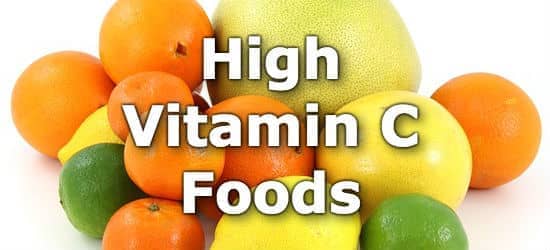
  • Citrus fruits and juices (orange, grapefruit, lemon, lime and tangerine)
  • Berries
  • Melons
  • Mangoes
  • Kiwi
  • Tomato
  • Broccoli
  • Red peppers
  • Spinach
  • Squash
  • Potatoes

Cooking these foods may result in the loss of some of the vitamin content, so it is ideal to ingest them raw, either whole or juiced. Nowadays, there are also numerous packaged food products, like cereals, that have been enriched and fortified with vitamin C, so that the nutrient can be easily obtained.

Vitamin C may also be labeled as "L-ascorbic acid" in supplement form, and most over-the-counter multivitamins contain the recommended daily amount of the vitamin. While it is a good source when an individual is in need of a vitamin C boost, supplements are not meant to replace a diet rich in naturally derived vitamin C.

What Happens When You Have Too Much — or Too Little — Vitamin C?

Vitamin C is a water-soluble vitamin that can be easily flushed out of the body via urination when it is not needed. Therefore, if the main source of vitamin C is from naturally occurring foods, it is near-impossible for excess vitamin C to produce side effects. However, taking excessive concentrated vitamin C supplements may lead to diarrhea or stomach upset.

Photo Courtesy: Violeta Stoimenova/E+/Getty Images

Since vitamin C-rich foods are so readily available nowadays, symptoms of inadequate vitamin C intake are also rare in the United States. However, malnourished individuals can experience symptoms of vitamin C deficiency over time, including:

  • Weakness
  • Fatigue
  • Anemia
  • Easy bruising
  • Joint pain
  • Skin breakdown
  • Weakened tooth enamel
  • Gum inflammation

Severe vitamin C deficiency is referred to as scurvy. Scurvy can be easily treated with increased dietary or supplemental vitamin C. Since vitamin C is crucial in the detoxification of the body, a lack of vitamin C can compromise the immune system and make an individual more susceptible to diseases and infections. Individuals with insufficient vitamin C may find that it takes longer than usual to recover from a cold or a physical wound.

Daily Dosage Recommendations:

The daily dosage recommendation for vitamin C is different for everyone, depending on factors such as gender, age, lifestyle and current health condition. The recommended daily dosage for vitamin C is at least 75 mg daily for women and 90 mg for men. Since people who are pregnant, breast feeding, smoking or using oral contraceptives have a lower blood level of vitamin C than others, larger doses of vitamin C may be needed to achieve optimal results in these individuals. Those who have prior or current medical conditions may also require bigger or smaller dosage levels, as recommended by their healthcare providers.

Resource Links:

  • "Vitamin C" via MedlinePlus
  • "Vitamin C and Infections" via MDPI
  • "Extra Dose of Vitamin C Based on a Daily Supplementation Shortens the Common Cold: A Meta-Analysis of 9 Randomized Controlled Trials" via Hindawi, BioMed Research International
  • "Vitamin C" via National Institutes of Health
  • "Scurvy" via U.S. Department of Health & Human Services, National Institutes of Health
  • "Dietary intake and blood concentrations of antioxidants and the risk of cardiovascular disease, total cancer, and all-cause mortality: a systematic review and dose-response meta-analysis of prospective studies" via The American Journal of Clinical Nutrition
  • "Dietary vitamin and carotenoid intake and risk of age-related cataract" via The American Journal of Clinical Nutrition
  • "Cardiovascular System" via Department of Anatomy, Seoul National University College of Medicine (via Springer)

More From SymptomFind.com

Vitamin C Cause Frequent Urination

Source: https://www.symptomfind.com/health/vitamin-c-everything-you-need-to-know?utm_content=params%3Ao%3D740013%26ad%3DdirN%26qo%3DserpIndex

Share:

Do Pine Needles Have Vitamin C

Do Pine Needles Have Vitamin C

Last Updated on November 19, 2021

Bright and refreshing pine needle tea not only tastes delicious, it's also rich in compounds linked to better health. And you can forage a nutritious cup of pine tea for free all year round!
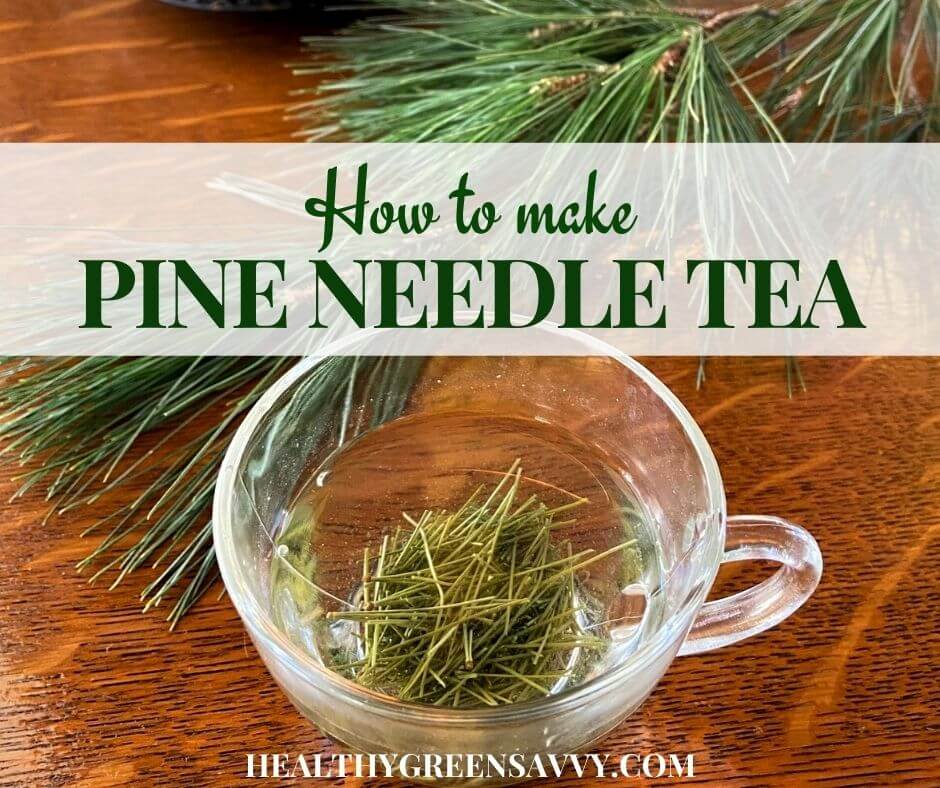
cover photo of pine needle tea brewing in glass cup with title text overlay

WHY MAKE PINE NEEDLE TEA?

OK, I know a cup of pine needles might sound odd to some, but pine needle tea is really worth giving a chance. Here's why.

First of all, pine needle tea (also called just pine tea or sometimes white pine tea) is delicious, like drinking a little bit of the scent of a pine forest or fresh Christmas tree.

Second, pine needles have useful medicinal properties that make them helpful for supporting health and alleviating cold symptoms. (More details on the health benefits of pine needles below.)

Last, this delicious and healthy tea is free to any forager with access to a pine tree. Most people don't realize the trees around us offer ample foraging opportunities. In the case of evergreens, like pine and spruce, the fact they can be foraged all year long, when nothing else is growing, makes them all the more valuable. Here are more than 25 medicinal trees to explore if you're curious.

I happen to have a spruce tree growing in my yard, so spruce tea is something I make often in the colder months, when all my home-grown herbs have long since died.

I love that spruce and pine offer opportunities for fresh herbal tea any time of year. In summer, I use lemon balm, mint, and other perennial herbs in sun tea. I also harvest some of the new spruce tips in late spring.

Wondering what else you might be able to forage in your yard? You probably have a number of edible weeds like dandelions, purslane, wild violets, and creeping Charlie, as well as numerous flowers you can eat.

Making the most of these easily-foraged ingredients can help you eat seasonally all year round. And since pine is always in season, pine tea lets you enjoy seasonal eating at any time of year.

Get more savvy tips to help you live greener and healthier every day by following HealthyGreenSavvy on Facebook and Pinterest, where you'll find easy health hacks, eco-living essentials, and simple healthy recipes shared daily.

PINE NEEDLE TEA BENEFITS

Like elderberries and other long-standing plant medicines, the active compounds in pine needles have undergone some intriguing research. I'll bet you never realized the power your pine trees might have to benefit your health.

Pine needles have been used by herbalists and native peoples for centuries. Some of pine needles' medicinal properties include:

  • anti-inflammatory
  • pain reliever
  • antimicrobial
  • decongestant
  • expectorant

Other parts of the pine are also edible and medicinal, but that's the subject of another post. Below are some of the benefits scientists have studied to date about the benefits of pine needles.

photo of pine needle tea brewing in cup

1. PINE NEEDLES ARE RICH IN POLYPHENOLS

Like so many other potent medicinal plants, pine needles contain compounds called flavonoids, which are known to benefit health.

Studies suggest that pine needles contain a-pinene, which may aid memory, alleviate anxiety, and help with depression, though these animal studies cannot directly demonstrate these pine needle benefits for humans.

2. PINE NEEDLE TEA CONTAINS ANTIOXIDANTS

Antioxidants help our bodies deal with something called oxidative stress, which can affect proteins and DNA in ways that may contribute to chronic disease, like cancer and inflammatory conditions like arthritis.

Pine needles, like many other foods rich in antioxidants, contain compounds that may help reduce oxidative stress, which can lower our risk of many chronic diseases. (Additional studies here, here, and here.)

One study looking at the potential benefits of pine needles found that "pine needles exhibit strong antioxidant, antimutagenic, and antiproliferative effects on cancer cells and also antitumor effects in vivo and point to their potential usefulness in cancer prevention."

3. PINE NEEDLES ARE A SOURCE OF VITAMIN C

Like spruce, pine needles contain vitamin C, which is why it's long been used as an effective remedy for scurvy. (You may find mention of Jacques Cartier's crew using pine to treat scurvy, but that appears to have been arborvitae, which is a different genus of conifer.)

I've seen numerous claims that the vitamin C in pine needles exceeds that in lemons and oranges, but not one of them cites their sources. One study cited in this article found differing amounts of vitamin C in different types of pine, and while some are quite high, it's worth remembering that you're not likely to eat 100 grams of pine needles the way you would 100 grams of orange.

Another source found that the vitamin C levels in the pine needles analyzed wasn't very high, but consumed in pine tea they seem to have enough to help with scurvy.

However much vitamin C  it contains, pine needle tea isn't just useful for scurvy. You probably know that vitamin C plays an important role in immune system function, so it's useful for fighting colds. Here's a complete list of immune-boosting foods to incorporate into your diet regularly to help you stay healthier during cold and flu season.

Researchers at the University of Maine found that pine needles steeped in hot water readily released shikimic acid, one of the key ingredients in the antiviral drug Tamiflu, though of course a cup of pine needle tea will have only a tiny amount of this compound compared to a dose of Tamiflu.

You'd have to consume an awful lot of pine needle tea to take in significant amounts of these compounds. But adding an easily foraged tea to your herbal tea rotation will help you expand the range of polyphenols you get in your diet, always a good thing. And as a herbal remedy for coughs and colds, a steaming cup of pine needle tea may provide some much-needed relief. Immune-boosting elderberry tea is another great option. Here are more effective home remedies for cough.

Curious about other medicinal plants you might grow in your yard? Here are more than 45 options to consider for your medicinal herb garden.

Note: Pregnant women are advised to avoid spruce and pine tea.

pin with photos of pine needle tea brewing in teapot and glass cup

IDENTIFYING PINES FOR PINE NEEDLE TEA

The first rule of foraging is ALWAYS to make a positive identification before harvesting. Though some people refer to all evergreens as pines, there are actually many different types of conifer, and not all are safe to consume.

There are over 100 species of pine in the genus pinus growing around the world, and they share an easy-to-identify feature: clusters of long needles, usually found in groups of 2-5 called fascicles.

If you find an evergreen with individual leaves coming directly out of the branch, you don't have a pine, but likely a spruce or fir. You'll see these used in a lot of blog posts purportedly about pine needle tea, but they're technically making a spruce or fir tea. More than you wanted to know, perhaps, but it's irksome when people share foraging information and don't bother to check they're correct.
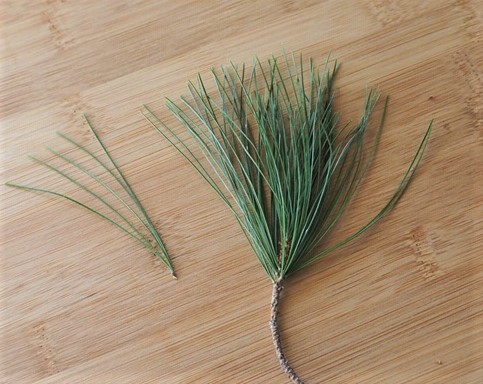
The cluster of 5 needles is held together by a brown papery covering where it meets the branch
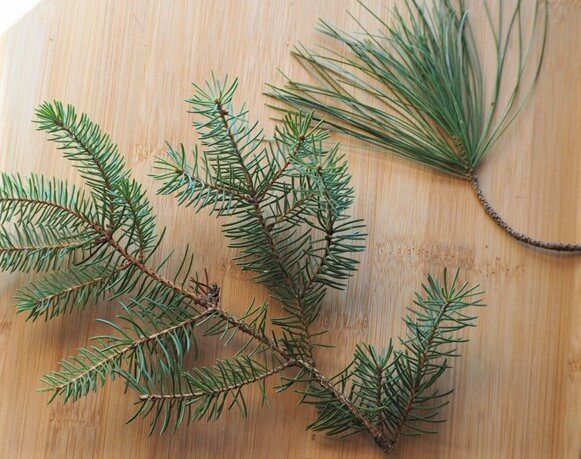
photo of pine needles and spruce needles on branches to show how they differ

The cutting of spruce on the left shows the different pattern of needles, which attach individually rather than in clusters like pine

Eastern White Pine (Pinus strobus, pictured above) grows widely in North America, and can be easily identified by its clusters of 5 needles, while red pines have 2 and yellow pines have 3. Count the needles on more than one cluster in case a needle has fallen from the cluster.

Here's more on distinguishing different conifers from Iowa State Extension. This post on conifer identification from Grow Forage Cook Ferment is also very informative.

Always consult a good field guide for foragers or enlist a local expert so you know what you're collecting.

Here are some of my favorite foraging books.

Since correctly identifying the specific type of pine you have can be a little tricky, this identification tool from the Arbor Day Foundation can help you distinguish exactly which pine you've got. Make sure it's not one of those to avoid listed below.

If you'd like to know more about safe foraging, you might consider taking a foraging class, like the Herbal Academy's online foraging course , which teaches plant identification and ethical wildcrafting practices.

pin with photo of forager with edible flowers in boots in ad for Herbal Academy's Foraging Course this season for only $39!

–> Avoid the trees below when foraging for pine needle tea. Note that though some are sometimes popularly referred to as pines, they're not actually in the same family:

  • Yew Plum Pine or fern pine (Podocarpus macrophylla)
  • Norfolk Pine or Norfolk Island Pine (Araucaria heterophylla)
  • Cypress (Cupressus) (More on issues of edibility here.)
  • Yew (Taxus)

Another non-pine with pine in its name is the Australian Pine (Casuarina equisetifolia). Here's more on uses for it from Eat the Weeds.

Here's how to identify yews and why to make sure to avoid them. This video also has a good description of what to look for to make sure you don't accidentally harvest this poisonous plant. You can find more of Professor Waterson's videos on additional conifers here.

A much-cited study of cattle fed large quantities of ponderosa pine found that pregnant cows were more likely to miscarry on a diet of ponderosa pine, leading to assertions that ponderosa pine is unsafe for consumption by pregnant women. Though concerns about ponderosa pine may be overblown, most experts recommend caution with many herbs in pregnancy because of the lack of safety data.

Ponderosa pines have 2-3 needles per cluster. Lodgepole or Shore Pine (Pinus contorta) also has conflicting information about its edibility, so skip it if you have concerns.

If you want to be extra-cautious, using needles from trees with 5 needles per cluster means you'll be using only white pine for tea.

Get more savvy tips to help you live greener and healthier delivered straight to your inbox when you sign up for our newsletter. Get a library of free e-books as a welcome to the HealthyGreenSavvy community. Sign up here.

HARVESTING NEEDLES FOR PINE TEA

Once you've correctly identified your local pine trees, you're ready to collect needles for your pine tea.

Harvest needles from a tree that hasn't been sprayed with chemicals, which may mean avoiding public parks or yards where homeowners spray their lawns with herbicides.

If you're foraging from your Christmas tree, make sure it wasn't sprayed, as many commercial growers spray their Christmas trees.

Gather needles sparingly, as the tree needs plenty of needles to stay healthy. Take a few bunches of needles from several trees rather than lots all from one tree.

Many foragers prefer the flavor of younger needles, which you'll find toward the end of the branches. I've read that the older needles may have more vitamin C, but I haven't found any study supporting that claim.

If you don't have ready access to a pine tree and want to collect extra when you find one, you can use dried pine needles for pine tea.

Many readers have asked about purchasing pine needles for pine tea.  These sellers on Etsy ship fresh and dried pine needles.

How much pine needle to use: Some pine needle tea drinkers suggest dunking the tip of a branch into boiling water, while others suggest chopping the needles and using a couple of tablespoons per cup of water. Different trees will have different flavors, and the flavor can vary with the season as well. There isn't just one 'right' way to make pine tea, so do what works for you.

You'll likely get more out of your pine needle tea if you chop the needles to help release their medicinal compounds. I also recommend making your tea too strong and diluting it rather than using too little pine and having a weak, tasteless tea you won't want to drink.

–>Pour freshly boiled water over needles rather than boiling your pine needles on the stovetop to preserve medicinal compounds.

I find pine needle tea lovely on its own without sweetener, but if you prefer sweeter tea, add a little honey or other sweetener to taste.

Prep Time 2 minutes

Cook Time 15 minutes

Total Time 17 minutes

Ingredients

  • 1/3 cup chopped pine needles
  • 2 cups boiled filtered water
  • Optional: honey or other sweetener to taste

Instructions

  1. Collect pine needles from trees you've positively identified as pines, and not from the trees to avoid mentioned above.
  2. Remove needle clusters from the branch and rinse.
  3. Chop or snip pine needles into small pieces, discarding the brown covering holding the needle cluster together.
  4. Place chopped needles in a teapot or cup and cover with freshly boiled water.
  5. Allow to steep 10-15 minutes, strain and enjoy.

Notes

Different pine needles will have different flavors and intensity. Add more pine needles for stronger flavor and less if you find the flavor too strong.

Nutrition Information:

Yield:

2 cups (unsweetened)

Serving Size:

1

Amount Per Serving: Calories: 0 Total Fat: 0g Saturated Fat: 0g Trans Fat: 0g Unsaturated Fat: 0g Cholesterol: 0mg Sodium: 9mg Carbohydrates: 0g Fiber: 0g Sugar: 0g Protein: 0g

I hope you love this simple pine tea — please leave a comment if you try it and let me know what you think.

If you like foraging ingredients for delicious herbal teas, here are some other ideas:

  • Elderflower Tea
  • Elderberry Tea
  • Mulberry Tree Leaf Tea
  • Dandelion Tea (from leaves, flowers, or roots)
  • Ginkgo Biloba Tea
  • Nettle Leaf Tea

Pin to save this pine needle tea recipe for later!

pin with photos of pine needle tea brewing in metal teapot and glass cup with title text overlay

Disclaimer: I'm a health & foraging enthusiast, not a medical professional. Content on this website is intended for informational purposes only and is not meant to provide personalized medical advice. I draw on numerous health sources, some of which are linked above. Please consult them for more information and a licensed professional for personalized recommendations.
Do Pine Needles Have Vitamin C

Source: https://www.healthygreensavvy.com/pine-needle-tea-how-make-benefits/

Share:

Natã¼Rliches Vitamin C 1000mg

Natã¼Rliches Vitamin C 1000mg

Basics You Need to Know About Vitamin E

Medically Reviewed by Madeline Hubbard, RN, BSN

Photo Courtesy: Dougal Waters/DigitalVision/Getty Images

Vitamin E is a compound that plays many important roles in your body and provides multiple health benefits. In order to maintain healthy levels of vitamin E, you need to ingest it through food or consume it as an oral supplement. Read on to find out which foods are recommended sources of this essential nutrient, along with other basics to know about vitamin E.

What Does Vitamin E Do?

Vitamin E is classified as an antioxidant. This means that vitamin E helps to destroy harmful compounds called free radicals that can build up in your body. Free radicals cause damage to cells through oxidative stress, and they've been linked to aging and health problems such as cancer and heart disease. Getting enough vitamin E on a daily basis may help to combat these conditions by protecting the outer membranes of your cells from free radical damage.

Photo Courtesy: Leren Lu/Photodisc/Getty Images

Vitamin E also plays an important role in your immune system and your body's ability to fight infection. At certain doses, vitamin E has been shown to stimulate the function of T cells — a type of cell that responds to pathogens that cause disease. Recent studies have shown that increasing your vitamin E intake may correlate with a stronger immune response and greater resistance to infection.

Vitamin E is present in the following whole foods:

  • Wheat germ
  • Almonds
  • Plant oils (vegetable, sunflower, grapeseed, etc.)
  • Sunflower seeds
  • Peanut butter
  • Spinach
  • Broccoli
  • Kiwi
  • Mango

Daily Dosage Recommendations

As people age, their daily dosage recommendation for vitamin E increases. For these standard recommended daily doses, a healthy balanced diet is usually sufficient for getting the required amount of vitamin E:

Photo Courtesy: skynesher/E+/Getty Images

  • Birth to 6 months: 4 milligrams (mg)/day
  • 1 to 12 months: 5 mg/day
  • 1 to 3 years: 6mg/day
  • 4 to 8 years: 7mg/day
  • 9 to 13 years: 11mg/day
  • 14+ years, including adults and seniors: 15mg/day

A person's age, gender and health conditions can help determine their recommended daily dose of vitamin E. Always consult a healthcare professional before altering your intake of vitamin E from the recommended daily dosage.

Taking Vitamin E Supplements

If it becomes necessary, such as if you become deficient in vitamin E, your doctor may advise you to start taking vitamin E supplements. Vitamin E supplements may come with some minor side effects if you take more than the recommended daily amount or if you combine these supplements with certain medications.

Photo Courtesy: Moyo Studio/E+/Getty Images

For example, vitamin E may increase the risk of bleeding if you take it with anticoagulants (also called blood thinners) like warfarin. Other medications, like chemotherapy drugs and cholesterol-lowering drugs, have potential harmful interactions when combined with vitamin E supplements. Talk to a healthcare professional before introducing daily vitamin E supplements, and be sure to discuss current medications you're taking.

More From SymptomFind.com

Natã¼Rliches Vitamin C 1000mg

Source: https://www.symptomfind.com/health/vitamin-e-nutrition-basics?utm_content=params%3Ao%3D740013%26ad%3DdirN%26qo%3DserpIndex

Share:

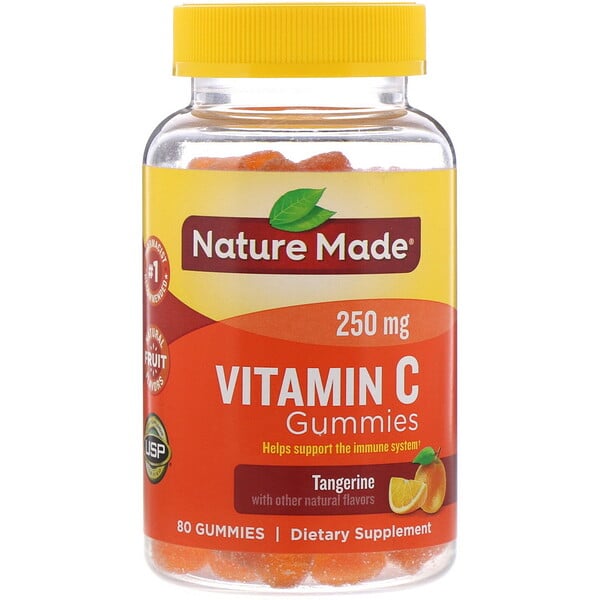
Nature Made Vitamin C Gummies Tangerine

Nature Made Vitamin C Gummies Tangerine

Nature Made, Vitamin C Gummies, Tangerine, 250 mg, 80 Gummies

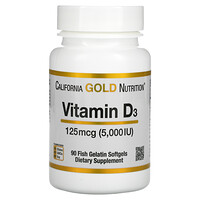
Vitamin C Gummies, Tangerine, 250 mg, 80 Gummies California Gold Nutrition, Vitamin D3, 125 mcg (5,000 IU), 90 Fish Gelatin Softgels

In Stock

  • Expiration Date: July 1 2022
  • Date First Available: December 11 2014
  • Shipping Weight:
  • Product code: NDM-02843
  • UPC Code: 031604028435
  • Package Quantity: 80 Count
  • Dimensions:
  • Please note limited shipping months for this item:

    This item is heat sensitive. It is only available for purchase between October 1st and June 14th. We temporarily discontinue the item during the summer months, from June 15th - September 30th, because it ​might melt or spoil during transit.

Product rank:

Similar item to consider

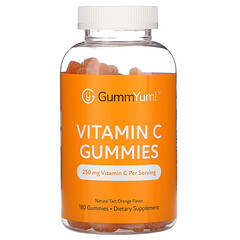
GummYum!, Vitamin C Gummies, Natural Tart Orange Flavor, 125 mg, 180 Gummies

GummYum!, Vitamin C Gummies, Natural Tart Orange Flavor, 125 mg, 180 Gummies

£17.93

Frequently purchased together

Product overview

Description

  • #1 Pharmacist Recommended*
  • Natural Fruit Flavors
  • Dietary Supplement
  • USP® Verified
  • Helps Support the Immune System
  • Tangerine with Other Natural Flavors
  • No Artificial Flavors - Natural Fruit Flavors
  • No Synthetic Dyes - Color Derived from Natural Source
  • No High Fructose Corn Syrup
  • No Artificial Sweeteners
  • Gluten Free

USP has tested and verified ingredients, potency and manufacturing process. USP sets official standards for dietary supplements.

*Based on Pharmacy Times Survey of pharmacists recommending Letter Vitamin Supplements.

Suggested use

Adults, chew 2 gummies daily.


Other ingredients

Sugar, glucose syrup, water, gelatin, sodium citrate, natural flavors, colors added.

Warnings

Store tightly closed, in a cool, dry place, out of reach of children.

Do not use if imprinted seal under cap is broken or missing.

If you are taking medication, consult your physician before use.

Disclaimer

While iHerb strives to ensure the accuracy of its product images and information, some manufacturing changes to packaging and/or ingredients may be pending update on our site. Although items may occasionally ship with alternate packaging, freshness is always guaranteed. We recommend that you read labels, warnings and directions of all products before use and not rely solely on the information provided by iHerb.

Supplement Facts
Serving Size: 2 Gummies
Servings Per Container: 40
Amount Per Serving % Daily Value
Calories 15
Total Carbohydrate 4 g 1%**
Total Sugars 2 g *
Includes 2 g Added Sugars
4%**
Vitamin C (as Ascorbic Acid & Sodium Ascorbate)
250 mg 278%
Sodium 15 mg 1%
*Daily Value not established.
**Percent Daily Values are based on a 2,000 calorie diet.

Nature Made Vitamin C Gummies Tangerine

Source: https://uk.iherb.com/pr/nature-made-vitamin-c-gummies-tangerine-250-mg-80-gummies/62789

Share:

Vitamin C Cold Prevention

Vitamin C Cold Prevention

Samantha is an everyday health expert with a background in International Public Health and Psychology. Read full profile

When it comes to vitamins, it can all be a bit confusing as to which ones help prevent which ailment. However, there are some vitamins we can all rely on to know their purpose and preventable abilities, such as vitamin C which is well known for being the best for supporting us through colds and flu. But is this entirely true? Is there a more effective vitamin that can help with preventing us from catching colds and flu?

If latest research is anything to go by, the answer is yes and it may be surprising to hear that it's actually vitamin D. Our ideas of vitamin D are usually synonymous with bone health which is entirely true, but it has emerged that vitamin D has been vastly underestimated in its important role of improving our immune systems.

Vitamin C vs. Vitamin D

While getting enough vitamin C is helpful towards preventing colds, we are led to believe that we need more of it to get better and improve immunity. The real truth is, we get plenty of vitamin C in our diets. Easily obtainable and common foods such as fruits (strawberries, melon, tomatoes and citrus fruits) and vegetables (green leafy vegetables, cauliflower, broccoli and brussels sprouts) all contain high levels of vitamin C so a balanced healthy diet will supply more than enough.

On top of that, vitamin C isn't as effective at improving our immune systems as we are led to believe. While it can help towards fighting a cold, it actually makes little impact.

Latest studies have shown a link between low vitamin D levels and higher cases of common respiratory infections. While it's essential for bone health, vitamin D is multi-purposeful and is thought to be much better than vitamin C in its immunity role. A study was conducted involving 19,000 participants using data from a national health survey between 1988 and 1994. It showed 36% of those with low levels of vitamin D in their blood were more likely to report having a recent upper respiratory tract infection than those with higher levels.

Although these studies are just coming through and more research needs to be done, there are more and more strong links between chances of catching colds and low levels of vitamin D.

Getting Enough Vitamin D for Our Body

The problem is that vitamin D is much harder to produce in the body. With reduced exposure to sunlight in many countries especially in the winter, a large percentage of people have a vitamin D deficiency, therefore not getting the full benefits of what vitamin D can do for their immune systems.

This is why diet and supplements are key to getting the sufficient amount of vitamin D we need in order to help prevent colds and flu more efficiently.

Foods such as egg yolks, canned tuna, liver, cod liver oil, fortified milk, and fortified cereals can give you a boost of vitamin D along with supplements ‒ and a dose of sunlight as vitamin D forms in our skin in response to the sun's rays (just 10 minutes is enough). While upping your vitamin D intake may help towards preventing yourself from getting sick, a consistent daily intake is needed for it to have a successful effect.

Vitamin D and The Common Cold

While more and more research is pointing to increasing your vitamin D levels to fight cold and flu, it's important to realize that it only helps to boost the immune system and isn't a preventative measure in itself. Living a healthy lifestyle with a varied, healthy diet and regular exercise is needed to strengthen our immunity and to ward off the nasty bugs and viruses that get into our body.

The research is promising but it has its limits as to what the ideal level of vitamin D is for supporting immune system responses to infection. All they know is that making the conscious effort to increase depleting vitamin D levels is a must for overall health. So if you want to know how to prevent a cold this winter, reach for the vitamin D instead of the vitamin C and see if it makes a difference.

Featured photo credit: David Mao via unsplash.com

Vitamin C Cold Prevention

Source: https://www.lifehack.org/492651/why-you-should-go-for-vitamin-d-but-not-vitamin-c-to-prevent-the-common-cold

Share:

Vitamin C Tablets For Hair

Vitamin C Tablets For Hair

Style

These Are The 6 Best Vitamin C Serums For Brighter, Clearer Skin

Amazon/Bustle

There's never a bad time to amp up your skin care regimen's sun protection defenses. Whether you're looking to keep your skin safe from future signs of sun damage or help reduce the appearance of damage that's already been done (aka sun spots), incorporating one of the best vitamin C serums into your beauty routine can help.

In an ingredients list, you'll most likely find vitamin C listed as l-ascorbic acid, which experts agree is the most effective form of vitamin C, along with tetrahexyldecyl ascorbate. You'll also want to pay attention to the concentration level of the vitamin C, as something between 10 and 20 percent is said to be the most stable, and therefore, the most effective when it comes to protecting the skin and improving its overall tone and texture.

While you can certainly apply your vitamin C serum at night, to reap its full sun-protecting benefits, apply it in the morning after cleansing, and before you moisturize and layer on your SPF (which, yes, you still need to wear). You'll also want to be careful about using your vitamin C serum after any cleansers, treatments, or moisturizers that contain salicylic acid, glycolic acid, or retinol, as this can heighten common side effects that come with these ingredients, like burning and redness (especially if you have sensitive skin).

It's also worth noting that vitamin C is a delicate ingredient because it degrades from sun exposure. Because of this, you'll want to store your serum away from the sunlight and be on the lookout for any changes in its color, texture, or smell. A serum packaged in a darker bottle is also ideal, as it helps minimize the product's exposure to sunlight.

Ahead, you'll find six of the best vitamin C serums that are all Amazon user-approved to brighten, protect, and firm your skin.

1

The Best Serum For Vitamin C Newbies

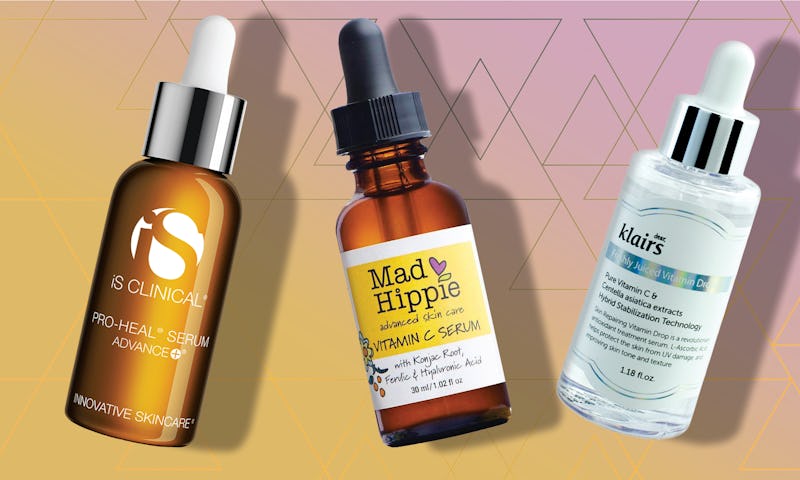
This K-beauty favorite serum contains a mild dose of 5 percent vitamin C to allow your skin to accustom itself with the active ingredient. While that's still enough to notice the brightening and skin tone-evening benefits, the smaller percentage means its also gentler and less likely to irritate skin. Reviewers love its lightweight texture and say a little goes a long way, so you only need a couple of drops. Some have even had luck with using it on their bodies to help fade unwanted scars.

Klairs Freshly Juiced Vitamin C Serum is also an Amazon-user favorite with hundreds of five-star reviews. "I used this product for a few months and then switched to one with a higher percentage of Vitamin C only to find that it didn't work nearly as well," writes one reviewer. "I'm back to using Klairs and am so impressed by the positive change I see in my skin when I use it — it's brighter, smoother, and more even — even though it's a mild product."

The only downside with this serum is that, since it comes in a clear bottle, you'll want to be extra careful with storing it somewhere away from the sun.

2

The Best Vitamin C Serum For Sensitive Skin

If you have sensitive skin, you might have luck with the low-concentration Klairs option, above. But it does contain a few ingredients that some particularly sensitive skin types negatively react to, like propylene glycol. For a super safe, all natural pick, try this all-natural pick from Mad Hippie. It uses vitamin C in the form of sodium ascorbyl phosphate, which is said to cause less irritation and reduce the risk of oxidation. Mad Hippie formulated this serum with other complementary ingredients, like vitamin E and ferulic acid, which both improve and protect the skin from damaging free radicals. And ferulic acid also helps stabilize both vitamins C and E, so that they're even more effective. To keep skin moisturized, hyaluronic acid is included in the formula, while konjac root and chamomile extract work to protect and soothe the skin. There's also a dose of clary sage, which acts as a natural toner and astringent.

"I have very sensitive skin and normally I cannot use vitamin C serums at all," writes a reviewer. "This one does not sting or burn at all." Another user notes, "Within a week or so, I saw a smoother texture to my skin. By the end of the bottle, my skin looked smoother, brighter, and three darker spots on my face [from sun damage] were at least 80 percent lighter."

3

A Vitamin C Serum That Produces An Instant Glow

Yes, all vitamin C serums brighten the skin with continued use, but The Body Shop Vitamin C Skin Boost Instant Smoother also leaves skin glowing directly after you apply it, thanks to the tiny mineral glowing particles it contains. Long-term brightening, protecting, and collagen-boosting effects come from ascorbic acid and the vitamin C-packed camu camu berries that The Body Shop has hand harvested by local collectors on the riverbanks of the Amazon River. Vitamin E provides the skin with more protection against environmental aggressors as it softens, and Community Fair Trade Brazil nut oil further moisturizes the skin. Additionally, dimethicone and glycerin give the serum a smooth texture that helps to blur pores and even out skin tone, making this a great primer, too.

4

The Best Vitamin C Serum For Acne-Prone Skin

This serum might be a bit of a splurge, but its powerful formula means serious results. The brand works with a team of assorted experts to develop each product, including geneticists, biologists, and physicians. For their iS Clinical Pro-Heal Serum Advance+, they developed a vitamin C combo that works for all skin types, including acne-prone. Time-released vitamin C means prolonged antioxidant protection, while vitamins E and A contribute even more antioxidant benefits. iS Clinical included inflammation-reducing zinc sulfate, blemish-preventing kojic acid, and nourishing olive leaf extract to combat signs of acne while helping to prevent future breakouts.

5

The Best Drugstore Vitamin C Serum

For a more affordable option, e.l.f's Beauty Shield Vitamin C Pollution Prevention Serum costs less than $20. Despite its low price, the serum still contains your vitamin C, as well as vitamin E and pomegranate extract, which provides even more vitamin C benefits. You'll also notice glycerin and hyaluronic acid on the ingredients list to leave the skin smooth and moisturized. It's even cruelty-free and vegan, and formulated without parabens, sulfates, or phthalates.

6

The Best Vitamin C Booster Powder

If you're into DIY beauty (or you just want to customize your vitamin C application), a vitamin C booster powder, like the Resurrection Beauty L-Ascorbic Acid Powder, is the perfect choice. This jar solely contains vitamin C in the form of l-ascorbic acid, which is meant to be dissolved in water or witch hazel before being added into your favorite hydrating serum. It can even be added to your nightly moisturizer, sunscreen, or body lotion. Because you're mixing this yourself, you can start with a lower concentration of vitamin C, like 5 percent, and work your way up to 20 percent (the maximum amount recommended) as your skin learns to tolerate it.

Many Amazon reviewers share the different ways they use this powder to make custom treatments. "How terrific to find cosmetic grade vitamin C to make my own solution," one raves. "All skin care experts claim this is the best for anti-aging, however very unstable. This fixes the problem and at an reasonable price. I just mix small batches to last for a week. And in just a few weeks I can see the difference in my skin." Another recommends mixing it with aloe-vera for a skin-soothing and brightening mask.

Bustle may receive a portion of sales from products purchased from this article, which was created independently from Bustle's editorial and sales departments.

Vitamin C Tablets For Hair

Source: https://www.bustle.com/p/the-6-best-vitamin-c-serums-16980515

Share:

What Food Has Vitamin C

What Food Has Vitamin C

Top 10 Foods Highest in Vitamin C

Photo of Daisy Whitbread

Powered by USDA Nutrition Data

Top 10 Foods Highest in Vitamin C

Vitamin C is an essential nutrient required for the maintenance of skin, blood vessels, bones and cartilage, and wound healing. (1,2)

Vitamin C also helps protect cells against oxidative stress, which in turn provides protection against certain diseases, including cancer. (1,3)

Vitamin C, like zinc and vitamin A, also helps support your immune system. (4,5,6)

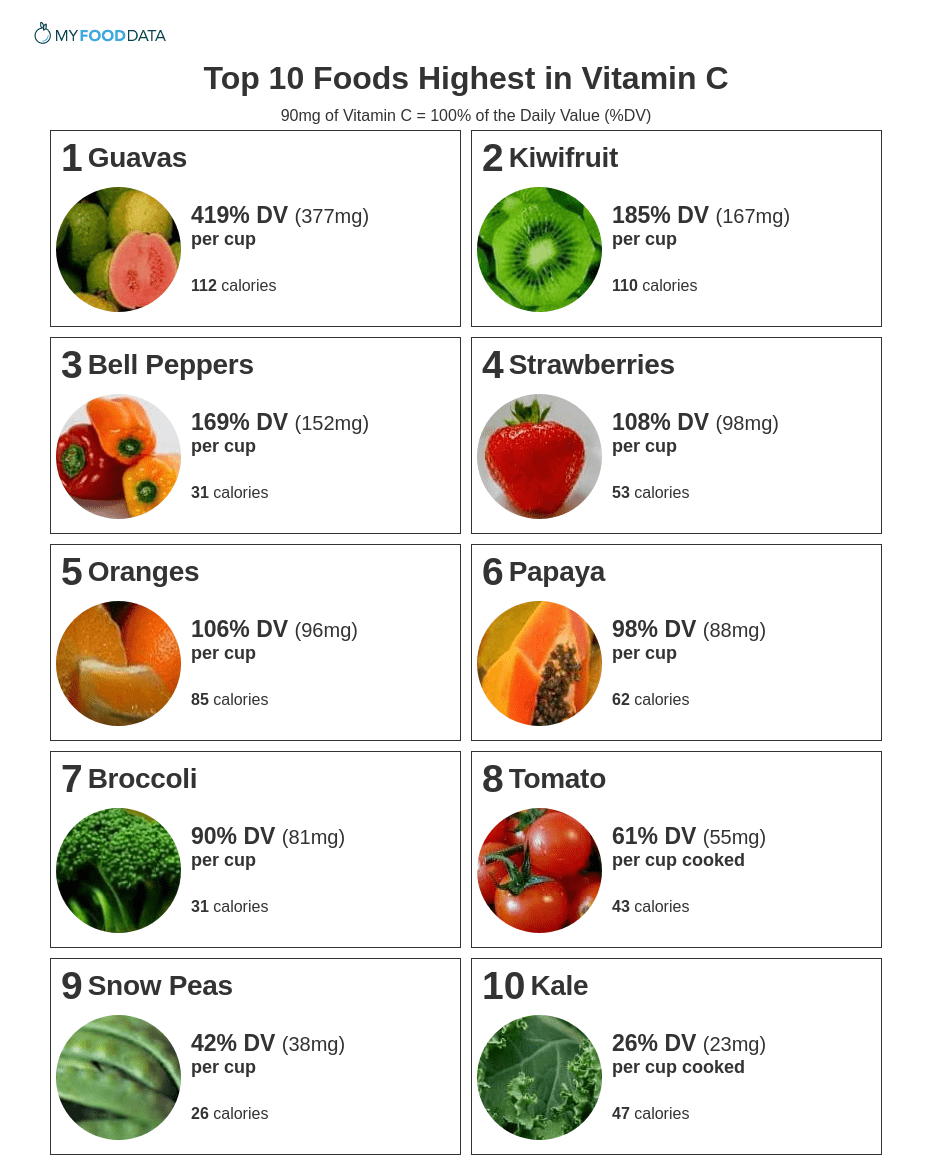
High vitamin C foods include guavas, bell peppers, kiwifruit, strawberries, oranges, papayas, broccoli, tomatoes, kale, and snow peas. The current daily value (% DV) for vitamin C is 90mg. (7)

Below is a list high vitamin C foods ranked by a common serving size, use the nutrient ranking of over 200 foods high in vitamin C to see the foods highest in vitamin C by nutrient density (per gram), or see rankings of fruits high in vitamin C, and vegetables high in vitamin C.


  • Introduction
  • High Vitamin C Foods
  • Printable
  • Vitamin C Foods by Nutrient Density (Vitamin C per Gram)
  • Other Vitamin C Rich Foods
  • About the Data
  •  Nutrient Ranking Tool
  • Related
  • Feedback
  • References

Half a guava

#1: Guavas

Vitamin C
per Cup
Vitamin C
per 100g
Vitamin C
per 200 Calories
377mg
(419% DV)
228mg
(254% DV)
671mg
(746% DV)

Slices of kiwifruit

#2: Kiwifruit

Vitamin C
per Cup
Vitamin C
per 100g
Vitamin C
per 200 Calories
167mg
(185% DV)
93mg
(103% DV)
304mg
(338% DV)

Bell peppers

#3: Bell Peppers

Vitamin C
per Cup
Vitamin C
per 100g
Vitamin C
per 200 Calories
152mg
(169% DV)
128mg
(142% DV)
982mg
(1091% DV)

Strawberries

#4: Strawberries

Vitamin C
per Cup
Vitamin C
per 100g
Vitamin C
per 200 Calories
98mg
(108% DV)
59mg
(65% DV)
368mg
(408% DV)

Slices of orange

#5: Oranges

Vitamin C
per Cup
Vitamin C
per 100g
Vitamin C
per 200 Calories
96mg
(106% DV)
53mg
(59% DV)
226mg
(252% DV)

Papayas

#6: Papaya

Vitamin C
per Cup
Vitamin C
per 100g
Vitamin C
per 200 Calories
88mg
(98% DV)
61mg
(68% DV)
283mg
(315% DV)

Broccoli

#7: Broccoli

Vitamin C
per Cup
Vitamin C
per 100g
Vitamin C
per 200 Calories
81mg
(90% DV)
89mg
(99% DV)
525mg
(583% DV)

Tomatoes

#8: Tomato

Vitamin C
per Cup Cooked
Vitamin C
per 100g
Vitamin C
per 200 Calories
55mg
(61% DV)
23mg
(25% DV)
253mg
(281% DV)

Green peas

#9: Snow Peas

Vitamin C
per Cup
Vitamin C
per 100g
Vitamin C
per 200 Calories
38mg
(42% DV)
60mg
(67% DV)
286mg
(317% DV)

Kale leaves

#10: Kale

Vitamin C
per Cup Cooked
Vitamin C
per 100g
Vitamin C
per 200 Calories
23mg
(26% DV)
18mg
(20% DV)
99mg
(110% DV)

See All 200 Foods High in Vitamin C

Next Article Next ➞

Printable One Page Sheet

Click to Print

A printable list of the top 10 foods highest in vitamin C.


Vitamin C Foods by Nutrient Density (Vitamin C per Gram)

Other Vitamin C Rich Foods

About the Data

Data for the curated food lists comes from the USDA Food Data Central Repository.

You can check our data against the USDA by clicking the (Source) link at the bottom of each food listing.

Note: When checking data please be sure the serving sizes are the same. In the rare case you find any difference, please contact us and we will fix it right away.

  • Foods High in Vitamin C
  • Foods Low in Vitamin C
  • Vegetables High in Vitamin C
  • Fruits High in Vitamin C
  • Vegetarian Foods High in Vitamin C
  • Nuts High in Vitamin C
  • Beans High in Vitamin C
  • Dairy High in Vitamin C
  • Breakfast Cereals High in Vitamin C
  • Fast Foods High in Vitamin C

View more food groups with the nutrient ranking tool, or see ratios with the nutrient ratio tool.
  • Vitamin E Foods
  • Beta Carotene Food Sources
  • High Lycopene Foods
  • High Iron Foods
  • High Potassium Foods

feedback

Data Sources and References

  1. Mitochondria, Energy and Cancer: The Relationship with Ascorbic Acid. J Orthomol Med. 2010; 25(1): 29–38.
  2. Office of Dietary Supplements Fact Sheet: Vitamin C
  3. L-ascorbic acid (vitamin C) induces the apoptosis of B16 murine melanoma cells via a caspase-8-independent pathway. Cancer Immunol Immunother. 2003;52:693–698.
  4. Vitamin C and Immune Function Nutrients. 2017 Nov; 9(11): 1211.
  5. The role of vitamin A and related retinoids in immune function. Nutr Rev. 1998 Jan;56(1 Pt 2):S38-48.
  6. Zinc in Human Health: Effect of Zinc on Immune Cells Mol Med. 2008 May-Jun; 14(5-6): 353–357. Published online 2008 Apr 3. doi: 10.2119/2008-00033.Prasad.
  7. FDA Daily Values Guidelines
  8. U.S. Agricultural Research Service Food Data Central

MyFoodData provides nutrition data tools and articles to help you organize and understand the foods you eat. Read more...

What Food Has Vitamin C

Source: https://www.myfooddata.com/articles/vitamin-c-foods.php

Share:
banner